Tepoztlan, Mexico
Agri-Innovation Center
Our Center at the Heart of Mexico
Launched in 2020 during the pandemic by our founder, Alex Eaton, this project began as a family initiative to practice regenerative and organic farming. What started as a space to restore soil, recycle waste, and grow native crops has since evolved. Over the past four years, Sistema.bio has transformed the site into a living soil laboratory, showcasing the power of bioslurry-based inputs, sharing knowledge with farmers, and piloting new supply chains with biodigester users.
Soil
Restoration
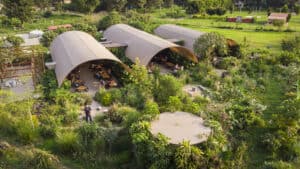
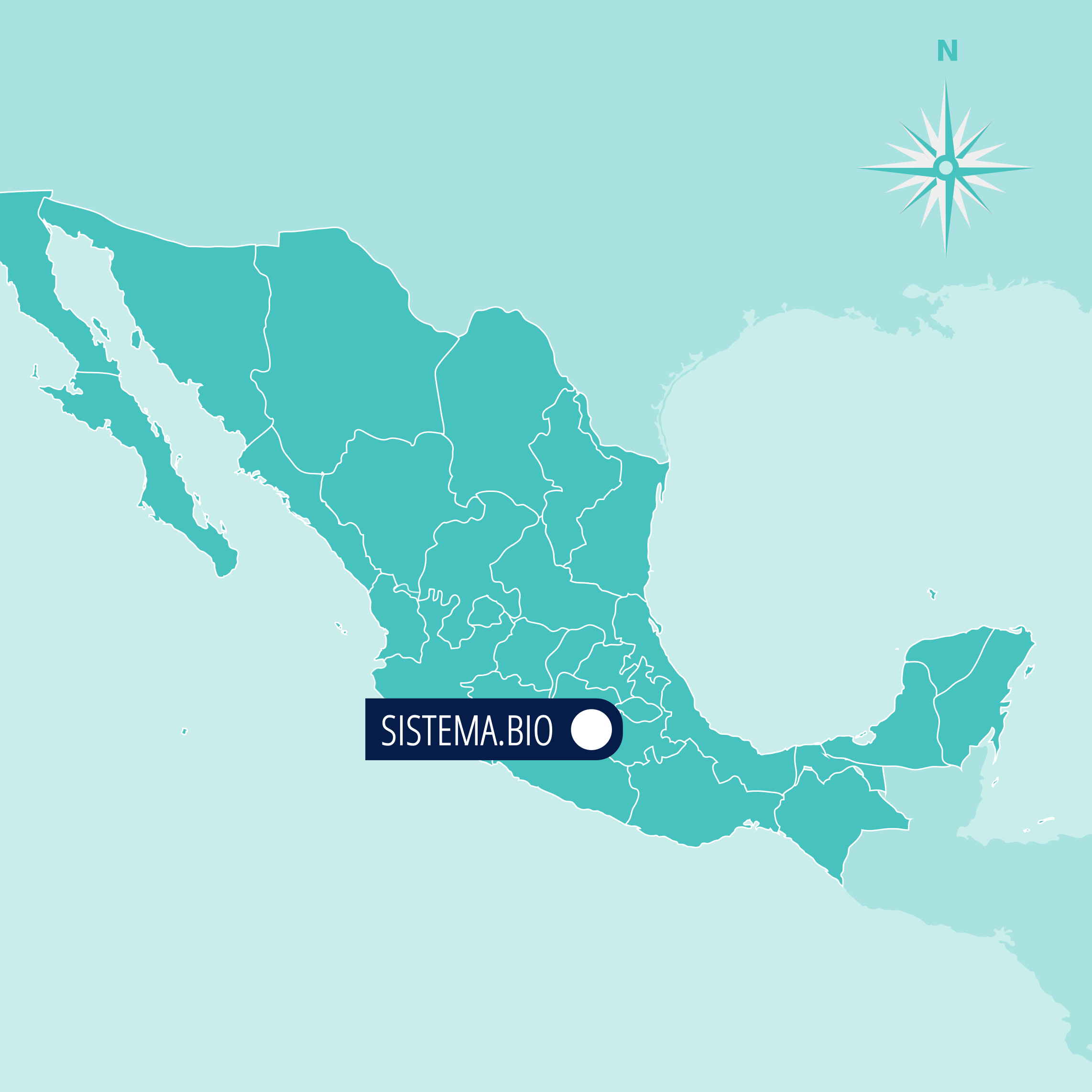
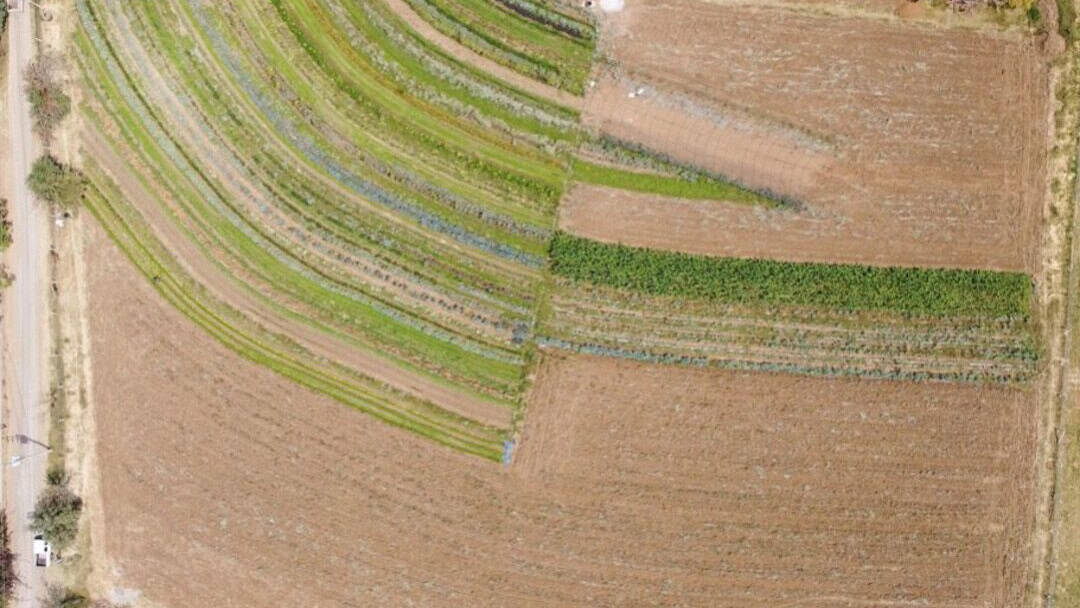
Located in Tepoztlán, Morelos—an iconic town with deep pre-Hispanic roots—this project is set on a one-hectare plot once dedicated to corn monoculture. After decades of intensive farming that depleted the soil and displaced traditional Milpa practices, the land is now being reimagined through regenerative agriculture.

April 2021

May 2022
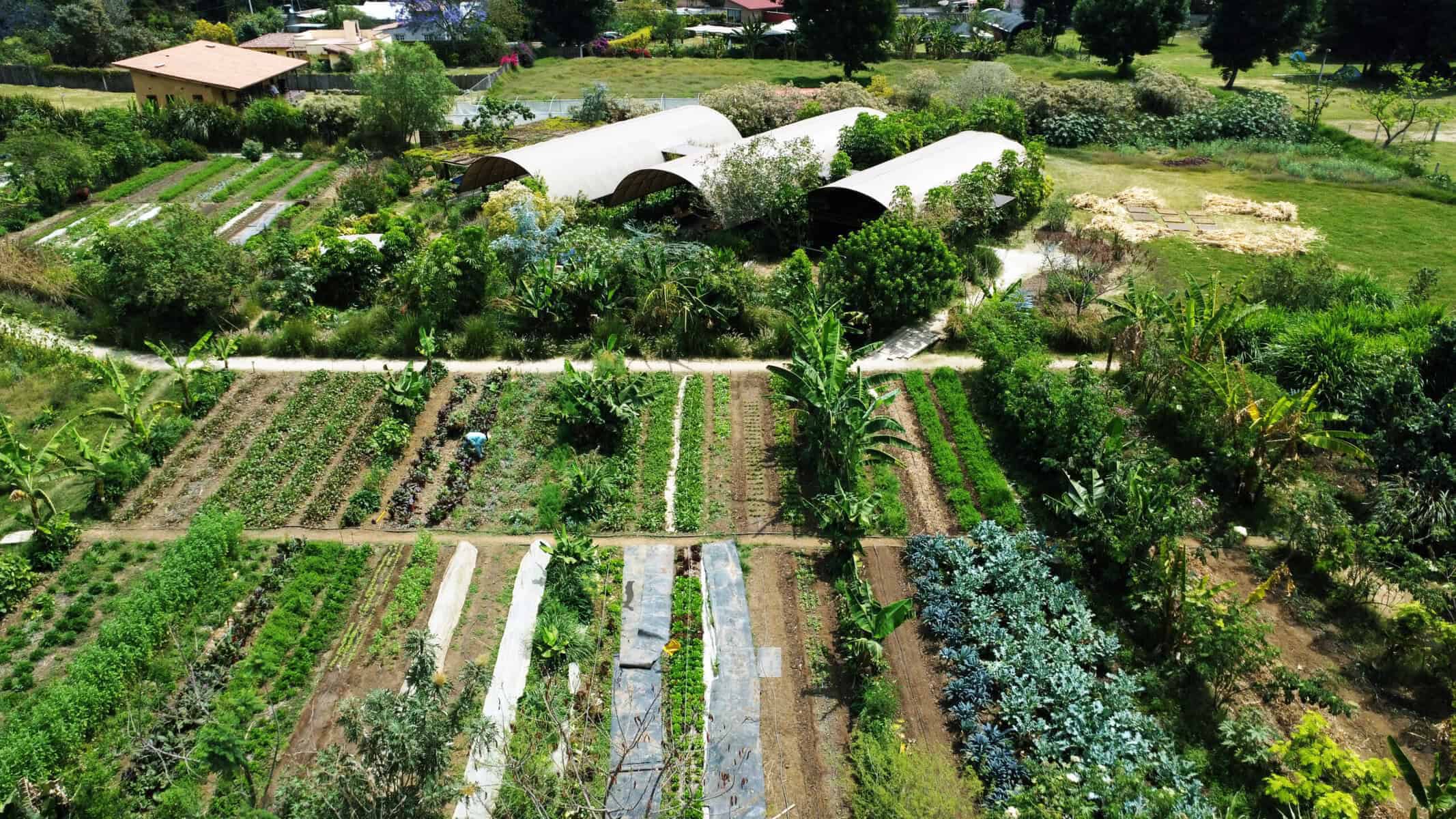
May 2025
Inside the
Agri-center
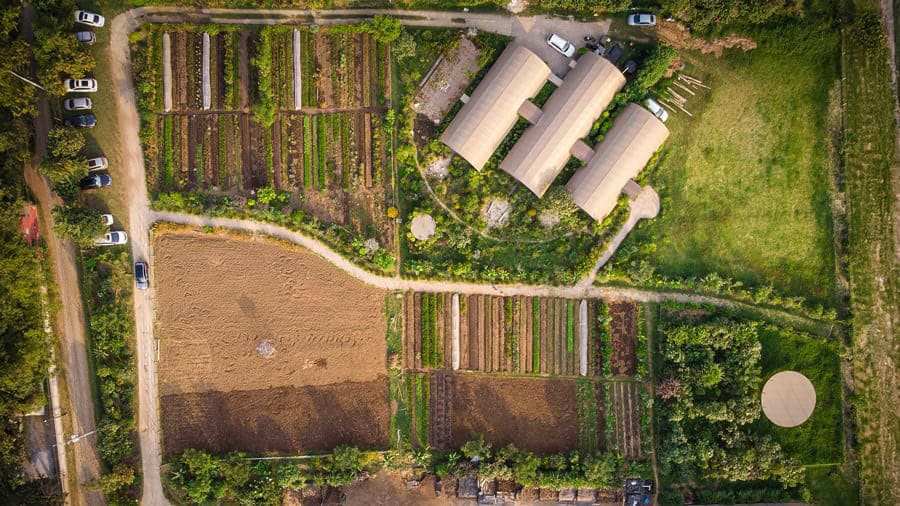
Tepoztlan Agri-center is a space that fosters circularity, making the connections between collection, transformation, production and consumption.
To do this we have 4 main areas.
Regenerative Inputs Manufacturing
Every Agri-Innovation Center collects and processes local materials—such as bioslurry from farmers and other organic residues—to create regenerative solutions that can be used at scale. By combining ancestral practices with data-driven innovation, we ensure that every product meets the real needs of farmers in the field.
Soil Fertility Lab
The biodigester is the starting point, transforming waste into bioslurry, which we blend with other ingredients and apply to the soil. From there, we monitor long-term effects by analyzing nutrient levels, carbon content, and overall soil health. This allows us to measure impact, refine our formulas, and support data-driven regenerative farming.
Biochar Production Center
We convert local crop residues and community waste into biochar through controlled pyrolysis. This stable form of carbon not only enriches our regenerative soil products, but also locks carbon into the ground, making it a fundamental component of high-quality carbon removal and soil organic carbon programs.
Agricultural Demo Plots
Implements agroforestry, food forests, no-till practices (70% of the land), Milpa systems, and an ethnobotanical nursery. These spaces grow food under organic and regenerative methods while testing Sistema.bio’s regenerative inputs and sharing knowledge with local farmers.
Regenerative
Groundwork
in Practice
We are incorporating different technicques of regenerative practices along with Sistema.bio’s organic and agricultural inputs, that work in syncrony to achive production goals to enhace our research.
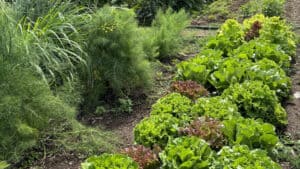
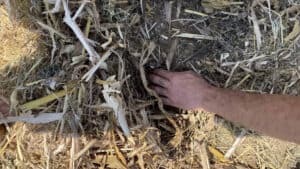
Biodiverse agroforestry and biomass rows work alongside cultivation beds and food forests to attract pollinators and birds, retain water, enrich soil, and boost biodiversity, all while producing biomass for compost and mulch.
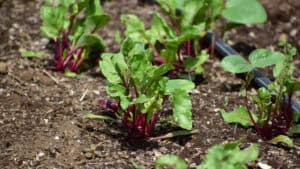
4,000 m³ of no-till beds for high-value crops. With crop rotation, cover crops, and organic methods, every cycle restores soil health and biodiversity.
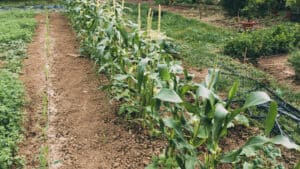
1,000 m³ of ancestral Milpa—maize, beans, squash, and edible flowers—grown with rainwater only. More than food, it preserves culture, non-GMO seeds, and ancestral farming wisdom.
A greenhouse for native plants, reforestation species, and microgreens. Protecting biodiversity while growing for the future.
2,000 m³ of fruit trees, medicinals, and 100+ native species. A thriving ecosystem that feeds pollinators, birds, people, and a local restaurant.
350+
tons/year organic waste treated

250+
species cultivated

12
Seasonal crops

100+
Native crops

50%
water supply by rain collection and infiltration

7,500
m3 cultivated land
This Is How Regeneration
Looks Like
Contact us for
more information
Learn more about our Agri-Innovation Center in Mexico